Multichannel inventory management: Benefits and how to get started

Selling through several storefronts gives an ecommerce business owner real advantages: more insight into customers, more visibility online, and a proven path to growing revenue.
It isn’t easy, or everyone would be doing it. Multichannel inventory management brings complications of its own. This guide is for sellers deciding whether to go multichannel, or planning their next channel. It covers what multichannel inventory management is, why it pays off, which channels to consider, and a four-step process for getting started. Already selling on several channels and struggling to keep up? See our guide to the most common multichannel inventory management problems and how to fix them.
What is multichannel inventory management?
Multichannel inventory management (sometimes called multichannel inventory control) is the set of activities and processes for managing, tracking, and processing orders from multiple sales sources.
Those sources, often called channels or storefronts, come in many forms: your own website, online marketplaces, social platforms, wholesale marketplaces, and brick-and-mortar retail stores. It may also mean holding stock in offsite warehouses to meet a channel’s requirements, such as Amazon’s fulfillment centers. For more, see our sales channel strategy guide.
Selling this way is now the norm. In Linnworks’ State of Commerce Ops 2026 report, the average mid-market retailer sold on more than four marketplaces or channels (4.15 in the UK and 4.25 in the US).
Why sell on multiple channels?
We believe you should make a business decision only when it solves a particular problem or reaches a particular goal. Here are the main benefits of a multichannel model.
Multiple channels protect you from market shocks
If a financial advisor ever tells you to put your whole life savings into a single stock, run away. The same principle applies to where you sell.
Imagine a small electronics maker with an exclusive agreement with a big-box store. The deal is great, the supply chain is efficient, and growth takes off. Then a global pandemic arrives, stores close, and the one channel that carried the business goes quiet.
A multichannel strategy works like an index fund: a bundle of holdings that reduces risk. Each channel you add reduces your exposure. When a social platform changes its algorithm, a marketplace changes its policies, or a big-box chain shuts down, your business isn’t in dire straits.
Multiple channels diversify your revenue
Multichannel selling reduces risk and increases your potential reward. If you sell on only one or two marketplaces, you’re probably leaving money on the table, because different channels attract different shoppers, many of whom may want what you sell.
Many storefronts have spent years building trust with consumers, and when you add channels, you benefit from that trust. A portfolio of storefronts also spreads your brand around, which raises visibility and awareness.
Multiple channels show you where your best markets are
When you diversify, you can quickly see which channels are most profitable and put more behind them. Here’s an example.
Worldwide Cyclery: a multichannel success story
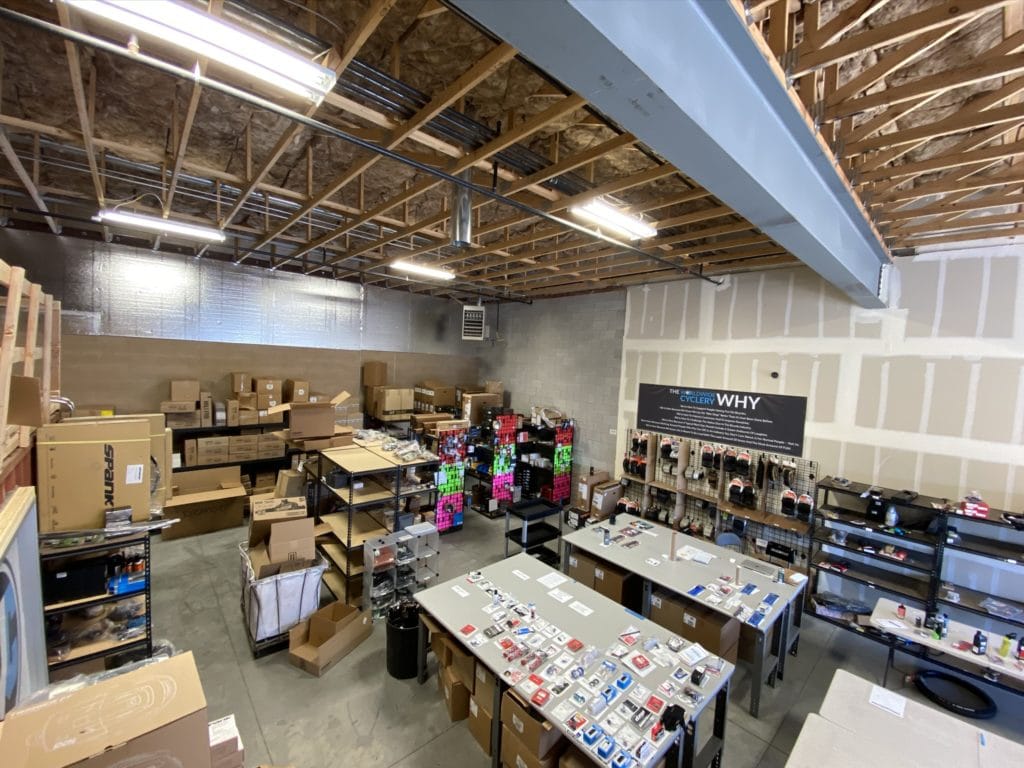
Jeff Cayley is a mountain bike racer with an entrepreneurial streak and deep knowledge of the cycling industry. In 2011, he turned his passion into a business, a mountain bike retailer called Worldwide Cyclery. The company started by selling on third-party marketplaces and through a couple of brick-and-mortar stores.
Controlling inventory in its own warehouse while tracking distributors’ needs created real problems. With no centralized multichannel management, barcode scanning was manual and cumbersome, fulfillment was inefficient, and keeping track of where products were was a constant headache. Jeff knew that if he wanted to grow and invest in more channels, he needed a more sustainable solution.
He chose SkuVault (now part of Linnworks) as his multichannel inventory solution. Channel syncing and an integration with ChannelAdvisor helped his team provide better customer experiences and automate workflows for multichannel fulfillment.
In the two years after implementing SkuVault, Worldwide Cyclery saw 114% revenue growth.
Read the full Worldwide Cyclery case study.
Examples of popular ecommerce channels
The benefits can feel abstract, so here are the main types of channel ecommerce businesses use today.
Your own website
Selling on your own website is a natural starting point. Overhead is low, and you control every part of the buying experience. But building a website that works well and ranks in search takes real effort, and in competitive categories it can take months or years of content and optimization. A hosted platform such as Shopify can get you to market faster. See our guides to ecommerce platforms and ecommerce website vs. marketplace.
Online marketplaces
Marketplaces are sites with high authority, brand awareness, and shopper trust. Many draw millions of visitors a month. Most charge a fee or a percentage of each sale, which is often a small price for the reach. Popular examples include Amazon, eBay, Walmart, and Etsy, and Alibaba for wholesale and B2B.
There are also niche marketplaces for particular categories. Musical instruments, for example, have dedicated sites such as Reverb, Musician’s Friend, and Guitar Center. Almost every category, from home decor to pet supplies to fitness, has several. Research each marketplace’s fees and stocking requirements before you commit, and see our marketplace directory.
Social commerce
Social platforms have become real sales channels. Shoppers can discover and buy products without leaving the app, through features such as TikTok Shop, and anything that reduces friction in the buying journey tends to raise conversion. Social channels suit B2C categories with shareable content, since you can convert shoppers right where they are. For TikTok specifically, see our guides to the TikTok Shop and TikTok social selling.
Brick-and-mortar stores
Marketplaces have changed how people shop, but physical retail is still a viable channel for ecommerce businesses. That includes big-box retailers, and a lesser-known, potentially more effective option: placing products with small independent stores and pop-up shops.
Challenges to expect
Everything gets more complicated when you add storefronts: payments, inventory, marketing, and customer service all take more work. The challenges to plan for are:
- Stock-outs and deadstock, as you divide stock across channels with different demand
- No single source of truth for sales and revenue across channels
- Shipping and fulfillment that differ by channel
- More warehouses, purchase orders, and accounting to reconcile
We cover each of these, and how to solve them, in our guide to common multichannel inventory management problems.
How to get started with multichannel inventory management
If you sell on a single channel today and you’re ready to add more, follow these four steps.
Step 1: Choose the right inventory management software
Succeeding at multichannel inventory management without an inventory management system (IMS) is nearly impossible. It’s the cornerstone of your inventory strategy, so choose carefully. Look for:
- Deep inventory control. You need to control, manage, process, and see all the inventory coming in and out of your warehouse.
- Forecasting. Demand forecasting, especially for seasonal products, matters more when channels have different audiences and demand. See our guide to inventory planning.
- Channel drill-downs. The system should sync all your channels, give you a summary of sales performance, and let you look at each channel separately.
- Purchase order management. A good IMS suggests purchase orders based on each channel’s estimated demand and reminds you to reorder before stock runs out.
- Integrations. You likely use many tools for accounting, marketing, point of sale, and more. Make sure any mission-critical software connects to the IMS you choose.
Linnworks connects to 100+ native channel integrations, and syncs stock across them in under 10 minutes. See the Linnworks inventory management solution, and for a comparison of options, our guide to inventory management systems.
Step 2: Identify and invest in the next right channel
Once you have a solid IMS, choose your second sales channel. Don’t scale too quickly. Get comfortable with your second storefront before you add more. It’s tempting to want every channel once the first sales arrive. Resist it.
The fundamental question when choosing a channel is: “Is this where my target customer is?” One of the best ways to find out is a quick competitor analysis. You likely have two or three competitors in the same or an adjacent industry, with a lot of overlap in customers, so find out where they sell. Search for those competitors and the products they sell, and look at the first few pages of results, especially the URLs. Names of specific storefronts will start to show where your audience shops.
Say you sell dog toys. You might search “dog toys,” “best toys for dogs,” and a competitor’s name, and find that Chewy, Petco, PetSmart, Amazon, and Target all show up. Those become your shortlist of channels to research.
Step 3: Plan how you’ll allocate stock and resources
If you sell on someone else’s channel, you play by its rules. That often means:
- Supplying a minimum quantity of product
- Paying a commission on sales
- Providing professional photos, descriptions, and other product data
Weigh each channel’s requirements against your goals. In the dog toys example, giving up a larger share of profit might be worth the brand recognition of a major retailer. Or you might want more control and a better deal from smaller shops. It depends on your long-term goals.
Once you’ve chosen your second channel, set aside stock for it in your IMS so products don’t get mixed up. Stock earmarked for your website shouldn’t be conflated with stock assigned to Amazon or another channel, because that leads to confusion and stockouts. See our guide to inventory allocation.
Step 4: Analyze performance and reallocate
After about six to twelve months, you’ll probably have enough data in your IMS to judge the profitability and return on your second channel. Sometimes the effort, cost, and hassle of fulfilling orders on a channel isn’t worth it: customers aren’t there, sales are lower than hoped, and the commissions add up. It’s fine to pivot to another channel or to run through these steps again.
Or a channel may perform far better than the rest. If so, consider moving stock from your other channels and doubling down on your best performers.
Next steps
Multichannel selling is an excellent way to grow, but it takes research, foresight, and an inventory system you can rely on. Once you’re selling on several channels, our guide to multichannel inventory management problems and solutions will help you keep it running. To see how Linnworks can help with yours, request a demo.
FAQs
Multichannel inventory management is the set of processes for managing, tracking, and fulfilling orders from more than one sales channel, such as your own website, online marketplaces, social platforms, and physical stores.
In practice, yes. The terms are used interchangeably. Both describe keeping stock, orders, and data accurate across all the places you sell.
Most sellers add one channel at a time. Get comfortable with your second channel, check its profitability after six to twelve months, and then decide whether to add another.
Spreadsheets might work for a very small operation, but with several channels, SKUs, and warehouses, manual tracking quickly leads to overselling, stockouts, and inaccurate data. Inventory management software keeps stock in sync across channels.